Rugged grassy sea cliffs above a calm bay with an island on the horizon under cloudy skies
Scroll Scroll

Tourist attractions in Sligo: the top 10 to visit this spring

If you are planning a spring break on the Wild Atlantic Way, Sligo offers the perfect mix of rugged coastline, Irish heritage, and beautiful landscapes. 

With so many tourist attractions in Sligo to choose from, it can be difficult to narrow the choices down. If you’re visiting Sligo this spring, we present our ultimate guide that highlights 10 fantastic Sligo tourist attractions that are easy to visit from Sligo Town.

Each combines iconic viewpoints, historic sites, and easy outdoor stops that work well with longer spring daylight and changeable weather. 

Continue reading to find out the best Sligo attractions, practical tips on timing, access, and what each offers. 

Spring planning in Sligo: how to build an easy 1–3 day itinerary

The most popular tourist attractions in Sligo Ireland sit within a short drive of Sligo Town, making the town a convenient base for anyone exploring the local area.

A simple way to plan your trip is to group places by location:

- Town and heritage stops such as Sligo Abbey can easily be explored on foot
- Northern highlights like Benbulben, Drumcliffe, and Rosses Point fit well into a scenic coastal drive
- Southern sites including Carrowmore Megalithic Cemetery, Knocknarea, and Strandhill make another easy half day route

Remember that spring weather can change quickly, so it helps to mix longer walks with shorter visits. 

If rain does show up, as it often does, swap a hike for a quick heritage stop or scenic viewpoint. This will keep your itinerary flexible and allow you plenty of opportunities for visiting the best Sligo tourist attractions.


Sligo Abbey

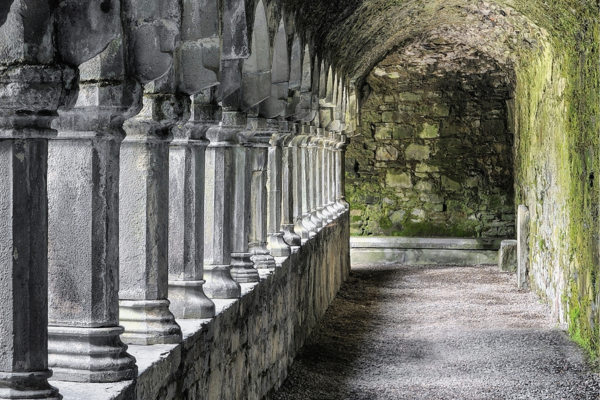
Located in the centre of Sligo Town, Sligo Abbey is one of the most famous tourist attractions in Sligo to visit.

Founded in the 13th century, this Dominican friary is known for its preserved cloisters, detailed stone carvings, and quiet courtyard spaces. Walking through the ruins gives visitors a glimpse of medieval life in the town which is equally fascinating for children and adults. 

Most visitors spend around 30 to 45 minutes at Sligo Abbey to take in the history. As it’s not a huge tourist attraction, it’s an ideal first stop when arriving in Sligo.

While exploring Yeats Country, it’s a good idea to combine this stop with a visit to Drumcliffe, where poet W.B. Yeats is buried. 

The churchyard sits beneath Benbulben, creating one of the most recognisable literary landscapes in Ireland.

Before you visit, be sure to check official visitor information pages for the latest opening times and access details.


Benbulben

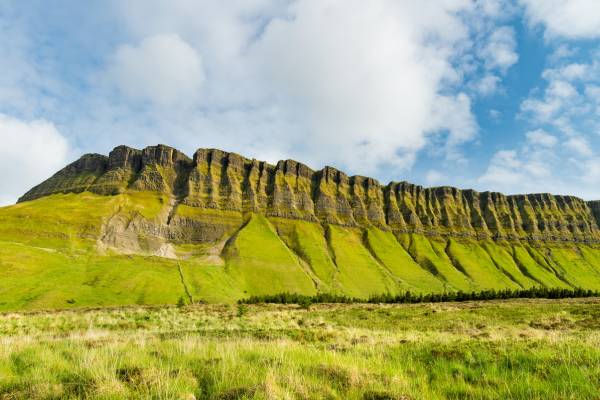
As one of the most well-known tourist attractions, Benbulben is a must-visit. 

The mountain’s distinctive flat top dominates the skyline of Yeats Country and has become a symbol of the region.

There are two easy ways to experience Benbulben during a spring visit.

The quickest option is to stop at one of the roadside viewpoints nearby. These short stops offer excellent photo opportunities and allow visitors to appreciate the scale of the mountain without committing to a longer walk.

If you have more time, the Benbulben Forest Walk offers a scenic loop trail beneath the mountain. The route passes through woodland and open landscape, with clear views of the limestone cliffs above.

Families often prefer this forest trail because the paths are easy to follow. More experienced walkers may explore longer hiking trails in the area, though summit routes require good preparation and suitable conditions.

Even a short stop at Benbulben iis worth it, and you can happily say that you’ve visited once of the most iconic tourist attractions in Sligo Ireland.


Carrowmore Megalithic Cemetery and Knocknarea

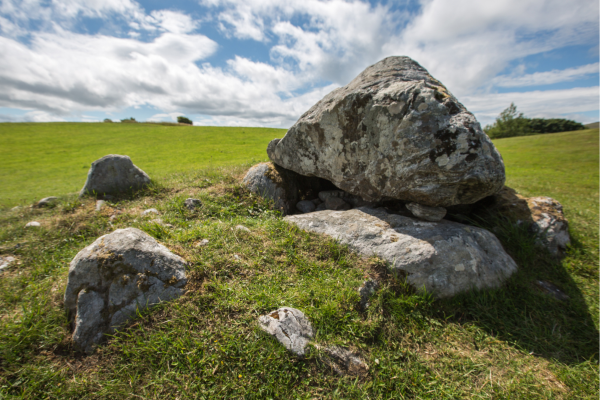
Just outside Sligo Town, you’ll find Carrowmore Megalithic Cemetery, which is one of the most important prehistoric landscapes in Ireland.

The site contains dozens of Neolithic tombs spread across open fields with views towards Benbulben and Knocknarea. Walking between these ancient monuments gives you an idea of the region’s long history.

Visitors typically spend about an hour exploring the site and its visitor centre which has some interesting artefacts on display.

Nearby Knocknarea offers a different experience. This large hill is famous for the Queen Maeve Trail, which leads to a large cairn at the summit associated with the legendary warrior queen.

The hike usually takes one to two hours depending on pace and at the top, visitors are rewarded with panoramic views across Sligo Bay.

If your time is limited, we recommend that you choose Carrowmore Megalithic Cemetery for accessible history. 

For those that want to tick off a scenic climb, Knocknarea should be on your itinerary. Many visitors to Sligo will often combine both to experience the best of Sligo tourist attractions.


Glencar Waterfall

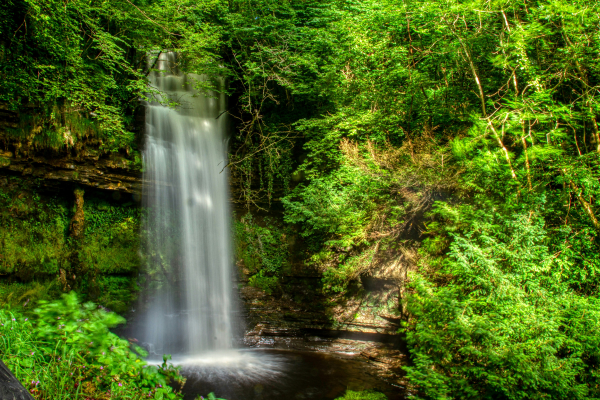
Just across the county boundary, Glencar Waterfall is one of the most rewarding short stops among the tourist attractions in Sligo.

The waterfall drops around 50 feet into a wooded glen and is particularly impressive after rainfall, which makes spring a special time to visit.

A short woodland path leads from the nearby car park to the viewing area. The walk only takes a few minutes, making it suitable for families or anyone looking for a quick scenic stop.

Many visitors pair Glencar Waterfall with a drive around Lough Gill, another beautiful part of Yeats Country. 

The lake scenery inspired several poems by W.B. Yeats, and the surrounding scenic drives offer peaceful views across woodland and water. Together, these two stops create a relaxed half day outing.


Strandhill and Rosses Point

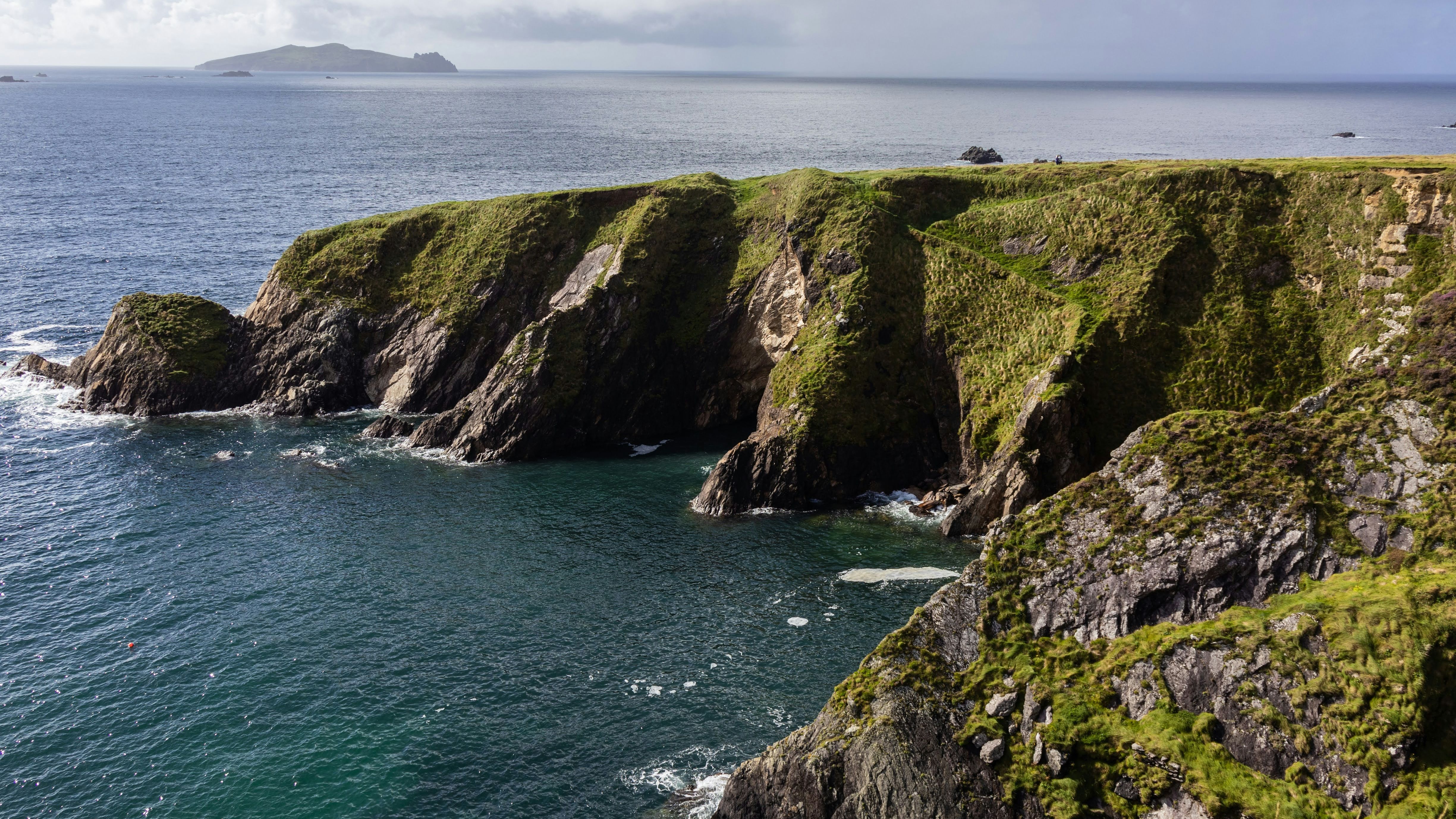
The Atlantic coastline is one of the biggest reasons why visitors land in Sligo Ireland to explore tourist attractions.

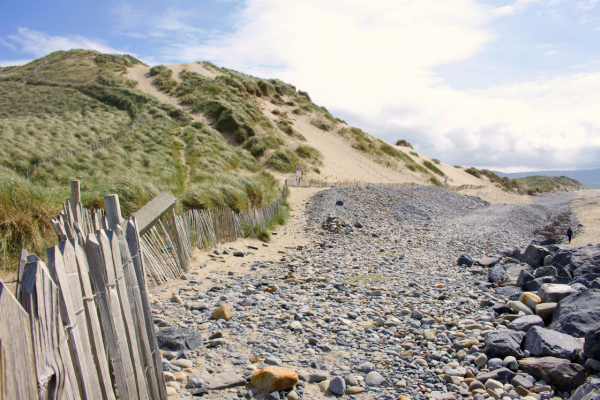
Strandhill is known for its lively beach setting which attracts surfers throughout the year, while the surrounding dunes are ideal for short walks along the coast.

It’s also a great place to stop for lunch or coffee while watching the waves roll in from the Atlantic with many cafes and coffee shops on the doorstep.

Rosses Point, just north of Sligo Town, offers a quieter seaside experience. Visitors come here for sandy beaches, relaxed coastal walks, and open viewpoints across Sligo Bay.

On clear days you can see Benbulben rising behind the coastline, creating one of the most recognisable views in the region.

Together, Strandhill and Rosses Point offer two memorable coastal Sligo tourist attractions.


Make Riverside Hotel Sligo the base for exploring the top 10

With so many tourist attractions in Sligo within a short driving distance, choosing the right base will always make planning easier.

Staying in Sligo Town allows visitors to explore heritage sites on foot while reaching mountains, beaches, and historic landmarks within 20 to 30 minutes.

The Riverside Hotel sits along the River Garavogue in the centre, making it a convenient base for exploring Yeats Country at a relaxed pace. 

If you want to reduce driving time and keep evenings flexible, it makes sense to stay in the heart of Sligo town while planning day trips to nearby Sligo tourist attractions.

From this central location, many of the region’s highlights can easily fit into a one to three day itinerary.


Book a stay

Planning a spring visit to Sligo is simple when you have a central base. Check availability and book your stay at Riverside Hotel Sligo to enjoy easy access to the best tourist attractions in Sligo, from coastal walks and heritage sites to scenic drives across Yeats Country.